Puppy Socialization & Enrichment
A foster-friendly guide | Birth to 6 months
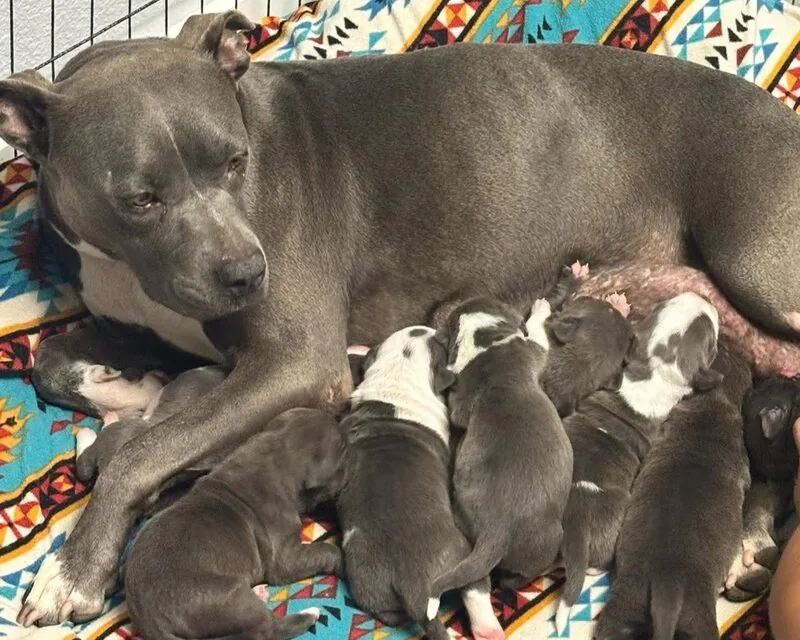
How to use this guide
This guide helps foster families introduce puppies to everyday sounds, surfaces, objects, people, handling, and routines. The goal is a confident puppy who can recover from surprises, not a puppy who tolerates overwhelming stimulation.
- Offer several brief, positive experiences rather than long sessions.
- Let each puppy choose to approach or move away. Pair new experiences with treats, play, or calm praise.
- Watch for freezing, hiding, trembling, refusing food, or frantic escape. Increase distance or stop when these appear.
- Adjust activities for development, medical status, and individual temperament.
- Record each puppy's response; repeat easy versions before increasing difficulty.
Health note: Ask the rescue veterinarian about vaccination and parasite prevention. Before puppies are fully protected, prioritize clean private spaces, known healthy vaccinated dogs, and carefully managed puppy classes. Avoid dog parks and contaminated public dog areas.
Weeks 1–4 | Security and awareness
Week 1 | Birth to 7 days
- Provide warmth, quiet, cleanliness, and consistent maternal care.
- Handle gently only as needed for weighing and health checks.
- Keep unnecessary noise and separation to a minimum.
Week 2 | Gentle sensory contact
- Continue brief, calm handling when mother is comfortable.
- Offer clean fleece and cotton bedding textures.
- Allow ordinary quiet household sounds as hearing develops.
Week 3 | First exploration
- Offer a soft puppy-safe toy and a nonslip textured mat.
- Let puppies investigate a rolled towel or very low obstacle.
- Introduce calm, brief human interactions and gentle normal sounds.
Week 4 | New surfaces
- Explore carpet, rubber mat, and flat cardboard on stable flooring.
- Introduce a supervised crinkle toy and shallow nonslip tray.
- Try a short, wide cardboard tunnel; begin gentle paw and brush handling.
Weeks 5–8 | Curiosity and confidence
Week 5 | Crackling bottle pool
- Put a few clean, intact empty bottles in a dry plastic kiddie pool; allow voluntary investigation.
- Gradually add bottles only if puppies remain relaxed.
- Offer a stable low cardboard box and gentle keys or paper sounds.
- Remove all bottle caps, rings, and labels; stop if puppies chew or shred plastic.
Week 6 | Movement and obstacles
- Explore a secured short fabric tunnel and flat board resting on the floor.
- Walk through a safely hung lightweight curtain.
- Try a minimally moving wobble cushion with support.
- Play traffic, rain, or doorbell recordings quietly and briefly.
Week 7 | Sensory playground
- Use a dry pool with large sturdy puppy-safe balls.
- Investigate a secured open umbrella, artificial turf, rubber mat, and plastic tray.
- Meet a calm person wearing a hat or sunglasses.
- Pair ear, mouth, and paw handling with rewards; begin short recall games.
Week 8 | Home preparation
- See a vacuum switched off; later hear it operating far away at low intensity.
- Practice voluntary crate entry with the door open and a treat.
- Introduce a properly fitted collar or harness and nonslip household flooring.
- Start consistent potty routines and settling on a blanket.
Weeks 9–12 | Everyday life
Week 9 | Outdoor confidence
- Explore clean private grass, leaves, and gravel.
- Listen to distant traffic, lawn equipment, and birds.
- Investigate an inactive garden hose.
- Practice a few loose-leash steps and watch bicycles or strollers from afar.
Week 10 | People look different
- Meet calm adults with different appearances, clothing, and voices.
- Observe canes, walkers, wheelchairs, hats, boots, and umbrellas.
- Observe children calmly from a comfortable distance; never force greetings.
- Reward voluntary polite greetings and relaxed observation.
Week 11 | Travel preparation
- Explore a parked car and secured travel crate with treats.
- Take a very short pleasant car ride if comfortable.
- Hear windshield wipers at a tolerable intensity.
- Practice calm, supported handling on a stable nonslip exam-like surface.
Week 12 | Grooming and veterinary care
- Practice a soft brush, towel drying, and brief toe touches.
- Gently look at ears and lift lips, rewarding cooperation.
- Introduce a nail grinder sound from far away.
- Practice standing on a nonslip surface for a mock exam.
Months 4–6 | Adoption readiness
Month 4 | Confidence and problem-solving
- Build low-impact courses with cones, tunnels, and ground-level poles.
- Offer safe puzzle feeders and food-search games.
- Observe joggers, bikes, and strollers without required greetings.
- Practice sit, come, leave it, polite greetings, and short comfortable independence.
Month 5 | Real-world experiences
- Watch activity from a safe quiet outdoor location.
- Practice settling while people walk past.
- Gradually introduce blenders, garage doors, and household noises.
- Practice passing dogs without greetings, calm visitors, crate time, and leash walking.
Month 6 | Ready for a family
- Practice relaxing amid ordinary household activity.
- Continue recall, leash manners, polite greetings, and cooperative grooming.
- Build alone time gradually while puppy remains comfortable.
- Record preferences, sensitivities, and skills to share with adopters.
Low-cost enrichment stations
Texture trail
Carpet squares, rubber mats, artificial turf, and stable cardboard.
Adventure tunnel
A short secure tunnel and safely hung fabric strips.
Sniff-and-find
Hide treats in a loosely rolled towel under direct supervision.
Ball pool
A shallow dry kiddie pool with oversized sturdy puppy-safe balls.
Crackle pool
A few intact empty bottles in a dry pool; supervise continuously and remove damaged plastic.
Household sound corner
Introduce recordings, appliances, doorbells, and moving objects from a comfortable distance.
Safety and good practice
- The primary socialization window is approximately 3–14 weeks, but learning continues throughout life.
- Do not flood, startle deliberately, force contact, or punish fear.
- Prevent choking, entanglement, slipping, and ingestion of plastic or fabric.
- Use age-appropriate, low-impact activities; avoid jumping and unstable heights.
- Keep all animal encounters medically appropriate, supervised, and positive.
- Puppies who are sick, injured, fearful, or recovering from neglect may need a slower plan.
For the adopter: Share familiar surfaces, noises, handling preferences, favorite rewards, crate and potty progress, and any areas needing gradual exposure.